Hey there! I’m in the decorative wire mesh business, and today I wanna chat about the electrical conductivity properties of decorative wire mesh. It’s a topic that doesn’t get as much buzz as the aesthetic side of things, but it’s super important, especially in some high – tech and modern applications. Decorative Wire Mesh

First off, let’s understand what electrical conductivity is. In simple terms, electrical conductivity is a measure of how easily an electric current can flow through a material. Metals are generally good conductors because they have free electrons that can move around easily. When it comes to decorative wire mesh, the conductivity depends on a few key factors.
The material of the wire mesh is the most obvious one. We have different types of materials for our decorative wire mesh, such as stainless steel, copper, and aluminum. Stainless steel is a popular choice for its corrosion resistance and strength. It’s also a decent conductor of electricity, but not as good as some other metals. The electrical conductivity of stainless steel can vary depending on its alloy composition. For example, austenitic stainless steels, which are commonly used in decorative applications, have a lower conductivity compared to some pure metals. But they still have enough conductivity to be useful in some electrical – related decorative setups.
Copper, on the other hand, is an excellent conductor. It’s been used in electrical wiring for ages because of its high electrical conductivity. When we make decorative wire mesh out of copper, it offers a great combination of beauty and functionality. The copper wire mesh can be used in applications where both electrical conductivity and an eye – catching look are required. It can be used in architectural installations where there might be a need for grounding or electrical connectivity within a decorative element.
Aluminum is another material we work with. It’s lightweight and has a relatively good electrical conductivity. Although it’s not as conductive as copper, it’s much more affordable and still a great option for many decorative wire mesh projects. Aluminum wire mesh is often used in large – scale decorative installations where weight is a concern, and still, some level of electrical conductivity is needed.
The mesh size also has an impact on electrical conductivity. A finer mesh, with smaller openings and a higher amount of wire material, generally has better conductivity. This is because there are more paths for the electric current to flow through. In a coarser mesh, the current has fewer conductive paths, which can lead to a higher resistance and lower conductivity. However, the application will often dictate the mesh size required. For aesthetic reasons, a coarser mesh might be preferred, even if it sacrifices a bit of conductivity.
The thickness of the wire in the mesh is also crucial. Thicker wires generally have lower resistance and higher conductivity. A thicker wire provides a larger cross – sectional area for the electrons to flow through, making it easier for the current to pass. But thicker wires can also change the look and feel of the decorative wire mesh. So, it’s always a balancing act between getting the right electrical properties and achieving the desired aesthetic.
Now, let’s talk about some real – world applications where the electrical conductivity of decorative wire mesh comes into play. In the field of interior design, we’ve seen our wire mesh used in lighting fixtures. The conductive wire mesh can be used as a part of the electrical circuit, allowing for unique lighting designs. For example, we’ve had clients who wanted a modern, industrial – looking pendant light. The copper wire mesh was used not only to create an interesting visual effect but also to conduct electricity to the light source.
In architectural projects, decorative wire mesh with good conductivity can be used for electromagnetic shielding. In buildings where there’s a need to protect sensitive electronic equipment from external electromagnetic interference, a conductive wire mesh can be installed as a part of the building’s facade or interior partitions. Stainless steel wire mesh, in particular, is often used for this purpose because of its durability and decent conductivity.
In the art world, artists are increasingly using conductive decorative wire mesh in interactive art installations. The wire mesh can be connected to sensors and electronic components, allowing the art piece to respond to the viewer’s movements or other external stimuli. This adds a new dimension to the art, making it more engaging and dynamic.
As a decorative wire mesh supplier, I know that understanding these electrical conductivity properties is essential for our customers. Whether they’re architects, designers, artists, or engineers, they need to know how the wire mesh will perform in terms of electrical conductivity for their specific projects.
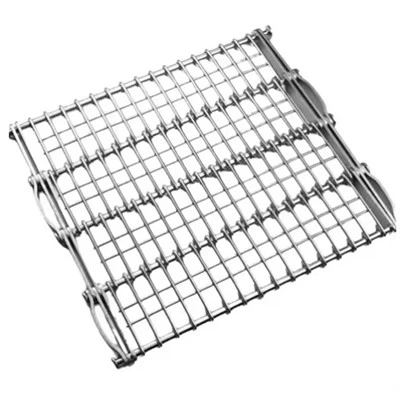
If you’re in the market for decorative wire mesh and want to learn more about how its electrical conductivity can benefit your project, don’t hesitate to reach out. We can provide you with samples of different materials, sizes, and wire thicknesses so you can see and test for yourself. We’re here to help you find the perfect decorative wire mesh that meets both your aesthetic and functional requirements. Let’s have a chat, and we can figure out the best solution for your next project together.
Wire Mesh Fence References
- "Electrical Properties of Metals" – General Physics textbooks
- "Architectural Metalwork Design" – Industry – specific design books
Anping Chenran Wire Mesh Co., Ltd.
We’re well-known as one of the leading decorative wire mesh manufacturers and suppliers in China. With a professional production team, we are able to meet the needs of the majority of our customers. Please rest assured to buy high quality decorative wire mesh in stock here from our factory.
Address: 500 Meters North of Guozhuang Village, Daziwen Town, Anping County, Hengshui City, Hebei, China
E-mail: sales@chenranwiremesh.com
WebSite: https://www.chenranwiremesh.com/
