What are the key components of auxiliary machines? Auxiliary Machines
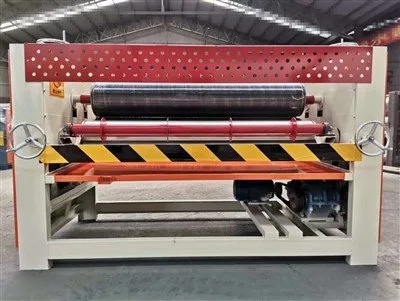
As a seasoned supplier of auxiliary machines, I’ve had the privilege of witnessing the evolution of these indispensable devices across diverse industries. Auxiliary machines play a crucial role in enhancing the efficiency, productivity, and overall performance of primary equipment. In this blog post, I’ll delve into the key components that make up these auxiliary machines, shedding light on their functions and significance.
Power Supply Unit (PSU)
The power supply unit is the heart of any auxiliary machine, responsible for converting electrical energy from the main power source into a form that can be safely used by the machine’s components. It ensures a stable and consistent flow of power, protecting the machine from voltage fluctuations and power surges. A high-quality PSU is essential for the reliable operation of the auxiliary machine, as any power disruptions can lead to malfunctions or even permanent damage.
Control Panel
The control panel serves as the interface between the operator and the auxiliary machine, allowing for easy monitoring and adjustment of various parameters. It typically consists of a display screen, buttons, switches, and indicators, providing real-time information about the machine’s status, performance, and operating conditions. The control panel enables operators to set specific operating parameters, such as temperature, pressure, speed, and time, ensuring precise control over the machine’s functions.
Motors and Actuators
Motors and actuators are the driving forces behind the movement and operation of auxiliary machines. They convert electrical energy into mechanical energy, enabling the machine to perform specific tasks, such as pumping, mixing, conveying, and cutting. Different types of motors and actuators are used depending on the application and requirements of the auxiliary machine. For example, electric motors are commonly used for general-purpose applications, while pneumatic and hydraulic actuators are preferred for high-power and precision tasks.
Sensors and Transducers
Sensors and transducers are essential components that provide feedback about the machine’s operating conditions and environment. They detect and measure various physical quantities, such as temperature, pressure, flow rate, level, and position, and convert them into electrical signals that can be processed by the control system. This information is used to monitor the machine’s performance, ensure safe operation, and trigger appropriate actions in case of abnormal conditions. For instance, temperature sensors can detect overheating and activate cooling systems, while pressure sensors can prevent overpressure and protect the machine from damage.
Filters and Separators
Filters and separators are used to remove impurities, contaminants, and unwanted particles from the fluid or gas streams in auxiliary machines. They play a crucial role in maintaining the quality and integrity of the process media, preventing damage to the machine’s components, and ensuring the efficiency of the overall system. Different types of filters and separators are available, depending on the specific application and the type of contaminants to be removed. For example, air filters are used to remove dust and debris from the intake air, while oil filters are used to remove impurities from the lubricating oil.
Pumps and Compressors
Pumps and compressors are used to transfer fluids and gases from one location to another, providing the necessary pressure and flow rate for the operation of the auxiliary machine. Pumps are commonly used to move liquids, such as water, oil, and chemicals, while compressors are used to compress gases, such as air, nitrogen, and oxygen. The choice of pump or compressor depends on the specific application, the type of fluid or gas to be transferred, and the required pressure and flow rate.
Heat Exchangers
Heat exchangers are used to transfer heat between two or more fluids or gases, allowing for efficient temperature control and energy recovery. They are commonly used in auxiliary machines to cool or heat process fluids, such as water, oil, and air, ensuring optimal operating conditions and energy efficiency. Different types of heat exchangers are available, including shell-and-tube heat exchangers, plate heat exchangers, and finned-tube heat exchangers, each with its own advantages and applications.
Valves and Fittings
Valves and fittings are used to control the flow, pressure, and direction of fluids and gases in auxiliary machines. They play a crucial role in regulating the operation of the machine, ensuring the safety and efficiency of the system. Different types of valves and fittings are available, depending on the specific application and the type of fluid or gas to be controlled. For example, gate valves are used to isolate sections of the system, while globe valves are used to regulate the flow rate.
Enclosures and Frames
Enclosures and frames provide structural support and protection for the components of the auxiliary machine. They are designed to safeguard the machine from environmental factors, such as dust, moisture, and vibration, and prevent unauthorized access to the internal components. Enclosures are typically made of metal or plastic, while frames are made of steel or aluminum. The choice of enclosure and frame materials depends on the specific application, the operating environment, and the required level of protection.
Software and Programming
In modern auxiliary machines, software and programming play a crucial role in controlling and optimizing the machine’s performance. They enable advanced features such as automation, monitoring, and remote control, enhancing the efficiency and productivity of the system. Software programs can be customized to meet the specific requirements of the application, allowing for precise control over the machine’s functions and parameters. Additionally, software can provide real-time data analysis and diagnostic capabilities, enabling operators to identify and troubleshoot issues quickly.
In conclusion, the key components of auxiliary machines work together to ensure their reliable and efficient operation. Understanding these components and their functions is essential for selecting the right auxiliary machine for your specific application, as well as for maintaining and troubleshooting the machine over its lifespan. As a supplier of auxiliary machines, I am committed to providing high-quality products that meet the diverse needs of my customers. Our machines are designed with the latest technology and incorporate the most advanced components to ensure optimal performance and reliability.

If you are in the market for auxiliary machines or have any questions about our products and solutions, please do not hesitate to contact us. Our team of experts is ready to assist you in finding the right auxiliary machine for your application and to provide you with the support and service you need. Let’s work together to enhance your productivity and efficiency with our high-quality auxiliary machines.
DD SAW References
- ASME Boiler and Pressure Vessel Code
- NFPA Fire Protection Standard
- ISO International Organization for Standardization
- API American Petroleum Institute Standards
Linyi Metro Machinery Co., Ltd.
As one of the most professional auxiliary machines manufacturers in China, we have world-leading production equipment and strong manufacturing capabilities. Please feel free to buy high quality auxiliary machines for sale here from our factory. Customized orders are welcome.
Address: NO.119,YanAn Road,YiHe New District,Linyi city,Shandong province,China.
E-mail: lovialiu@metromach.com
WebSite: https://www.metromach.com/
