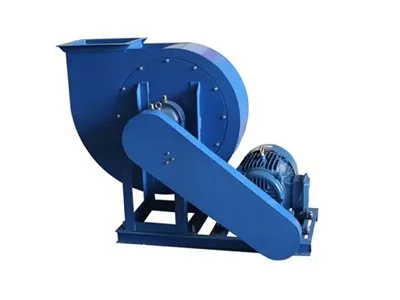
As a seasoned supplier in the field of boilers and high temperature fans, I’ve witnessed firsthand the critical role these components play in various industrial processes. One of the most challenging scenarios that these systems often encounter is sudden temperature changes. These abrupt shifts can stem from a multitude of factors, such as process malfunctions, external environmental variations, or rapid load changes within the industrial setup. In this blog, I’ll delve into how boilers and high temperature fans handle these sudden temperature changes, drawing on my years of experience and industry knowledge. Boiler & High Temperature Fans
Understanding the Impact of Sudden Temperature Changes
Before we explore the handling mechanisms, it’s essential to understand the potential consequences of sudden temperature changes on boilers and high temperature fans. For boilers, a rapid increase in temperature can lead to overheating of critical components, such as the tubes and the furnace lining. This overheating can cause thermal stress, which may result in cracks and leaks over time. On the other hand, a sudden drop in temperature can cause the water inside the boiler to cool too quickly, leading to thermal shock and potential damage to the boiler structure.
High temperature fans are also vulnerable to sudden temperature changes. A rapid increase in temperature can cause the fan blades to expand, leading to imbalance and increased vibration. This imbalance can not only reduce the efficiency of the fan but also cause premature wear and tear on the bearings and other moving parts. Conversely, a sudden drop in temperature can cause the fan blades to contract, potentially leading to clearance issues and even blade damage.
How Boilers Handle Sudden Temperature Changes
Thermal Expansion and Contraction Management
One of the primary ways boilers handle sudden temperature changes is through their design that accounts for thermal expansion and contraction. Boilers are typically constructed with materials that have specific coefficients of thermal expansion. These materials are carefully selected to ensure that they can expand and contract without causing significant damage to the boiler structure. For example, the tubes in a boiler are designed to have some flexibility to accommodate thermal expansion. Additionally, expansion joints are often installed in the boiler system to allow for controlled movement during temperature changes.
Temperature Control Systems
Modern boilers are equipped with sophisticated temperature control systems that can help mitigate the effects of sudden temperature changes. These systems continuously monitor the temperature inside the boiler and adjust the fuel supply and airflow accordingly. For instance, if the temperature inside the boiler starts to rise rapidly, the control system can reduce the fuel supply to prevent overheating. Conversely, if the temperature drops suddenly, the control system can increase the fuel supply to maintain the desired operating temperature.
Insulation
Insulation plays a crucial role in helping boilers handle sudden temperature changes. A well-insulated boiler can reduce the rate of heat transfer between the inside and outside of the boiler, thereby minimizing the impact of external temperature variations. Insulation materials such as refractory bricks and ceramic fiber blankets are commonly used in boiler construction to provide thermal protection.
How High Temperature Fans Handle Sudden Temperature Changes
Material Selection
The choice of materials is critical in ensuring that high temperature fans can withstand sudden temperature changes. Fan blades are often made from high-temperature alloys or ceramics that have excellent thermal stability and resistance to thermal shock. These materials can maintain their mechanical properties even under extreme temperature conditions, reducing the risk of blade damage due to thermal expansion or contraction.
Balancing and Alignment
Proper balancing and alignment of high temperature fans are essential for their reliable operation during sudden temperature changes. As the temperature changes, the fan blades may expand or contract, which can affect the balance of the fan. Regular maintenance and monitoring of the fan’s balance and alignment can help detect and correct any issues before they cause significant damage. Additionally, some high temperature fans are equipped with self-balancing mechanisms that can automatically adjust to changes in the operating conditions.
Cooling Systems
Many high temperature fans are equipped with cooling systems to prevent overheating during sudden temperature increases. These cooling systems can use various methods, such as air cooling or water cooling, to remove excess heat from the fan. For example, some fans have cooling jackets that circulate water around the motor or the bearing housing to keep them at a safe operating temperature.
Case Studies
Let’s take a look at some real-world examples of how boilers and high temperature fans have handled sudden temperature changes. In a chemical plant, a sudden process upset caused the temperature inside the boiler to increase rapidly. Thanks to the boiler’s advanced temperature control system, the fuel supply was immediately reduced, preventing overheating and potential damage to the boiler. At the same time, the well-insulated boiler structure helped to minimize the heat transfer to the surrounding environment, reducing the impact on the plant’s operations.
In another case, a high temperature fan in a steel mill was exposed to a sudden drop in temperature during a maintenance shutdown. The fan, which was made from high-temperature alloys and equipped with a self-balancing mechanism, was able to withstand the thermal shock without any significant damage. The cooling system also helped to prevent the fan from overheating when the temperature increased again during the restart of the mill.
Conclusion

In conclusion, boilers and high temperature fans are designed and engineered to handle sudden temperature changes through a combination of thermal management, control systems, material selection, and maintenance practices. However, it’s important for industrial operators to understand the potential risks associated with these temperature changes and take appropriate measures to ensure the reliable operation of their systems.
Mine & Tunnel Ventilation Fans As a supplier of boilers and high temperature fans, I’m committed to providing our customers with high-quality products and comprehensive technical support. Our products are designed to meet the most demanding industrial applications and are tested to ensure their performance under extreme conditions. If you’re looking for reliable solutions for your boiler and high temperature fan needs, I encourage you to reach out to us for a detailed discussion. We can work with you to understand your specific requirements and recommend the most suitable products and solutions for your operations.
References
- ASME Boiler and Pressure Vessel Code
- API Standards for High Temperature Equipment
- Manufacturer’s Guidelines for Boilers and High Temperature Fans
Shandong Qiyue Fan Co., Ltd.
With abundant experience, we are one of the most reliable boiler & high temperature fans manufacturers and suppliers in China. Please feel free to wholesale high quality boiler & high temperature fans made in China here from our factory. We also accept customized orders.
Address: Dongchen Industrial Park, Zhoucun District, Zibo, Shandong, China
E-mail: sales@qiyuefan.com
WebSite: https://www.qiyuefan.com/
