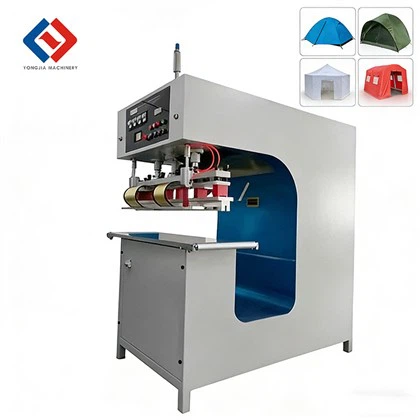
As a supplier of large high frequency welding machines, I understand the paramount importance of operator safety. High frequency welding machines are powerful tools that, when used correctly, can significantly enhance productivity in various industries. However, they also pose certain risks if not handled properly. In this blog, I will share some key strategies to ensure the safety of operators when using a large high frequency welding machine. Large High Frequency Welding Machine
1. Comprehensive Training
One of the most effective ways to ensure operator safety is through comprehensive training. Before an operator starts using a large high frequency welding machine, they should receive in – depth training on its operation, maintenance, and safety procedures.
The training should cover basic machine functions, such as how to start and stop the machine, adjust welding parameters, and load and unload workpieces. Operators should also be taught about the potential hazards associated with high frequency welding, including electrical shock, burns, and exposure to harmful fumes.
Practical hands – on training is essential. Operators should practice using the machine under the supervision of an experienced trainer. This allows them to gain confidence and proficiency in operating the machine while learning how to handle potential safety issues.
Regular refresher courses should be provided to keep operators updated on the latest safety procedures and machine features. As technology evolves, new safety features may be added to the machine, and operators need to be aware of these changes.
2. Personal Protective Equipment (PPE)
Personal protective equipment is a crucial aspect of operator safety. Operators should be provided with and required to wear appropriate PPE at all times when using a large high frequency welding machine.
- Welding Helmets: A welding helmet with a proper shade lens is essential to protect the operator’s eyes and face from the intense light and heat generated during the welding process. The shade of the lens should be selected based on the welding current and type of welding being performed.
- Welding Gloves: Welding gloves are designed to protect the hands from burns, cuts, and electrical shock. They should be made of heat – resistant and insulating materials.
- Protective Clothing: Operators should wear flame – resistant clothing to protect their bodies from sparks and molten metal. Long – sleeved shirts and pants are recommended, and the clothing should fit properly to prevent loose fabric from getting caught in the machine.
- Respiratory Protection: High frequency welding can produce harmful fumes and gases. Depending on the materials being welded, operators may need to wear respiratory protection, such as a respirator, to prevent inhalation of these hazardous substances.
3. Machine Maintenance and Inspection
Regular maintenance and inspection of the large high frequency welding machine are vital for operator safety. A well – maintained machine is less likely to malfunction and cause accidents.
- Daily Checks: Operators should perform daily checks on the machine before starting work. This includes checking for loose connections, damaged cables, and proper functioning of safety devices. Any issues should be reported immediately and addressed before using the machine.
- Periodic Maintenance: The machine should undergo periodic maintenance by qualified technicians. This may include cleaning, lubricating, and replacing worn – out parts. Regular maintenance helps to ensure the machine operates at its optimal level and reduces the risk of breakdowns.
- Safety Device Inspection: Safety devices, such as emergency stop buttons, interlocks, and grounding systems, should be inspected regularly to ensure they are in working order. These devices are designed to protect operators in case of an emergency, and any malfunction should be corrected immediately.
4. Workplace Safety
Creating a safe workplace environment is also essential for operator safety when using a large high frequency welding machine.
- Ventilation: Adequate ventilation is necessary to remove harmful fumes and gases from the welding area. The workplace should be equipped with ventilation systems, such as exhaust fans or fume extractors, to ensure good air quality.
- Work Area Organization: The work area should be kept clean and organized. Tools and materials should be stored properly to prevent tripping hazards. There should be enough space around the machine for operators to move freely and perform their tasks safely.
- Signage: Clear safety signage should be posted in the welding area to alert operators of potential hazards. Signage should include warnings about electrical shock, burns, and the use of PPE.
5. Risk Assessment
Conducting a risk assessment is an important step in ensuring operator safety. A risk assessment involves identifying potential hazards associated with using the large high frequency welding machine and evaluating the likelihood and severity of these hazards.
Based on the risk assessment, appropriate control measures can be implemented to reduce or eliminate the risks. For example, if the risk assessment identifies a high risk of electrical shock, additional grounding measures or insulation can be installed.
Regular risk assessments should be carried out to account for any changes in the workplace, machine, or operating procedures. This helps to ensure that safety measures remain effective and up – to – date.
6. Emergency Preparedness
Despite all the safety measures in place, emergencies can still occur. Operators should be trained in emergency procedures and know how to respond quickly and effectively in case of an accident.
- Emergency Stop: Operators should be familiar with the location and operation of the emergency stop button on the machine. In case of an emergency, they should be able to stop the machine immediately to prevent further damage or injury.
- First Aid: First – aid kits should be readily available in the workplace, and operators should be trained in basic first – aid procedures. This includes treating burns, cuts, and electrical shock.
- Evacuation Plan: A clear evacuation plan should be in place in case of a major emergency, such as a fire or explosion. Operators should know the evacuation routes and assembly points.

In conclusion, ensuring the safety of operators when using a large high frequency welding machine requires a comprehensive approach that includes training, the use of PPE, machine maintenance, workplace safety, risk assessment, and emergency preparedness. As a supplier, we are committed to providing high – quality machines and supporting our customers in implementing these safety measures.
Fully Automatic Production Line If you are interested in purchasing a large high frequency welding machine or have any questions about safety procedures, please feel free to contact us for a consultation. We are here to help you make the right choice and ensure the safe and efficient operation of your welding equipment.
References
- "Welding Safety Handbook", American Welding Society
- "Occupational Safety and Health Administration (OSHA) Standards for Welding Operations"
- Manufacturer’s Manuals for Large High Frequency Welding Machines
Dongguan Yongjia Machinery Equipment Co., Ltd.
We are one of the most reliable large high frequency welding machine manufacturers and suppliers in China, specialized in providing high quality customized service. Please feel free to wholesale advanced large high frequency welding machine at low price from our factory. For quotation, contact us now.
Address: No. 240, Chashan South Road, Chashan Town, Dongguan City, Guangdong Province, China
E-mail: info@yjwelding.com
WebSite: https://www.yjhighfrequencymachine.com/
