Hey there! I’m a supplier of micronutrient water soluble fertilizer, and one question I get asked all the time is, "How long does it take for micronutrient water soluble fertilizer to take effect?" Well, let’s dig into this topic and find out. Micronutrient Water Soluble Fertilizer
Understanding Micronutrient Water Soluble Fertilizer
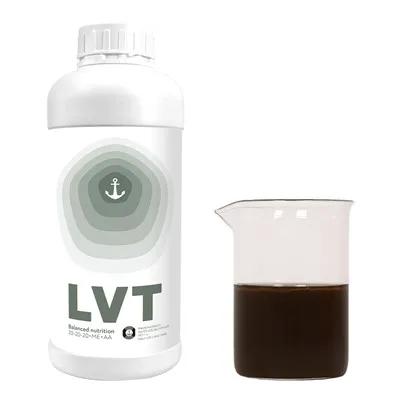
First off, let’s quickly go over what micronutrient water soluble fertilizer is. Micronutrients are those essential elements that plants need in small quantities, like iron, manganese, zinc, copper, boron, molybdenum, and chlorine. Water soluble fertilizers are formulated in a way that they can easily dissolve in water. So, micronutrient water soluble fertilizers are basically a convenient way to provide these crucial micronutrients to plants.
These fertilizers come in handy because sometimes the soil might not have enough of these micronutrients, or the plants might have a hard time getting them from the soil. That’s where our water soluble fertilizers step in. We can mix them with irrigation water and deliver the nutrients right to the plant roots.
Factors Affecting the Time to Take Effect
Now, the time it takes for micronutrient water soluble fertilizer to take effect isn’t set in stone. There are several factors at play here.
Plant Type
Different plants have different growth rates and nutrient requirements. For example, fast – growing plants like lettuce or radishes can show signs of improvement within a few days to a week after applying the fertilizer. These quick – growers are constantly taking up nutrients to support their rapid growth, so they can respond pretty quickly to the added micronutrients.
On the other hand, slow – growing plants like some trees or shrubs might take weeks or even months to show visible changes. These plants have a more gradual growth process, and it takes longer for the nutrients to be absorbed, transported within the plant, and then have an impact on growth and development.
Nutrient Deficiency Severity
If a plant is severely deficient in a particular micronutrient, it might take a bit longer for the fertilizer to have an effect. The plant has to first make up for the large deficit before it can start using the nutrients for new growth. For instance, if a plant has a severe iron deficiency, it might show yellowing leaves (chlorosis). It could take a couple of weeks for the plant to start greening up again as the iron from the fertilizer is absorbed and used to produce chlorophyll.
In cases where the deficiency is mild, the plant can often respond more quickly. Maybe within a week or so, you’ll start to see some improvement in the plant’s appearance, like more vibrant leaves or better overall growth.
Environmental Conditions
The environment plays a huge role in how fast the fertilizer takes effect. Temperature is a big factor. In warm and sunny conditions, plants are more active metabolically. They take up water and nutrients more quickly, so the micronutrient water soluble fertilizer can start working faster. For example, in a greenhouse during the summer, plants can show results in as little as 3 – 5 days.
However, in cold or wet conditions, plant growth slows down. The roots are less active, and the uptake of nutrients is reduced. So, it might take two to three times longer for the fertilizer to have a visible impact. If it’s constantly raining, the excess water can also leach the fertilizer out of the root zone, making it less effective.
Application Method
How you apply the micronutrient water soluble fertilizer also affects the time to take effect. If you use a foliar spray, the nutrients can be absorbed directly through the leaves. This can be a very quick way to deliver nutrients to the plant, and you might start to see results within 24 – 48 hours. The leaves can quickly take up the micronutrients and start using them for various physiological processes.
On the other hand, if you apply the fertilizer through soil drenching, the nutrients have to first dissolve in the soil water and then be taken up by the roots. This process can take a bit longer, usually around a week or more, depending on the factors we’ve already talked about.
Typical Timeframes for Different Micronutrients
Let’s take a look at how long it might take for some common micronutrients to show an effect.
Iron
Iron is important for chlorophyll production. If a plant is iron – deficient, it will have yellow leaves. When you apply an iron – containing water soluble fertilizer, you might start to see the leaves start to turn green again within 1 – 2 weeks. This is because the iron needs to be absorbed by the plant and incorporated into the chlorophyll – making process.
Zinc
Zinc is involved in many enzyme systems in plants. It helps with growth and development. If a plant is zinc – deficient, it might have stunted growth. After applying a zinc – rich water soluble fertilizer, you could start to notice an improvement in growth within 1 – 3 weeks. The plant will use the zinc to activate enzymes and promote cell division and elongation.
Manganese
Manganese is also essential for plant metabolism. Deficiency can lead to mottled or discolored leaves. When you add a manganese – containing fertilizer, visible changes in the leaves might show up after about 2 – 3 weeks as the manganese is absorbed and utilized in various metabolic reactions.
Real – World Examples
I’ve seen firsthand how different situations can affect the time it takes for the fertilizer to work. In one of our customer’s vegetable gardens, they had a tomato plant that was showing signs of zinc deficiency. The plant was looking a bit puny and seemed to be growing more slowly than the others. They applied our zinc – enriched micronutrient water soluble fertilizer through soil drenching.
It was a warm summer day, and within a week, they started to notice that the tomato plant was looking more perky. The new growth was a bit more vigorous, and by the end of the second week, it was almost on par with the other healthy tomato plants in the garden.
On the other hand, we had a customer with an orchard of citrus trees. The trees were showing signs of iron deficiency, with yellow leaves. They applied our iron – based fertilizer during a cold and rainy spell. It took almost three weeks for the leaves to start showing any sign of greening up. Once the weather improved, the recovery process speeded up, but the initial slow uptake was clearly due to the unfavorable environmental conditions.
Final Thoughts and Contact
So, as you can see, there’s no one – size – fits – all answer to how long it takes for micronutrient water soluble fertilizer to take effect. It depends on a bunch of factors like plant type, nutrient deficiency severity, environmental conditions, and application method.
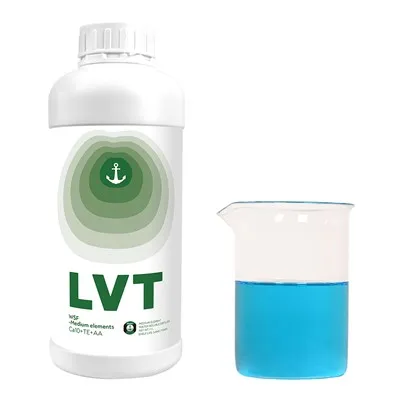
If you’re dealing with nutrient deficiencies in your plants or just want to give them a boost, our micronutrient water soluble fertilizers are a great option. We’ve got a wide range of products formulated to meet different plant needs. Whether you’re a home gardener or a large – scale farmer, we can provide you with the right fertilizer solution.
Alginic Acid Fertilizer If you’re interested in learning more or want to place an order, don’t hesitate to reach out. We’re here to help you get the best results for your plants.
References
- Marschner, H. (1995). Mineral Nutrition of Higher Plants. Academic Press.
- Epstein, E., & Bloom, A. J. (2005). Mineral Nutrition of Plants: Principles and Perspectives. Sinauer Associates.
Weifang Lvweite Bio-Tech Co., Ltd.
With abundant experience, we are one of the leading manufacturers and suppliers of micronutrient water soluble fertilizer in China. Please rest assured to buy bulk high quality fertilizers made in China here from our factory. If you have any enquiry about cooperation, please feel free to email us.
Address: No. 6 Xinchuan Rd, Xin’an Street, Anqiu City, Shandong, China
E-mail: info@lvtfertilizer.com
WebSite: https://www.lvtfertilizer.com/
