Hey guys, if you’ve ever ordered what we call “other equipment” (you know, that random category of stuff that doesn’t fit into laptops, phones, or big warehouse machinery—think custom lab fixtures, event tech rigs, specialty workshop tools, that odd-sized display mounts no one else stocks), you’ve probably stared at your order confirmation at 2 a.m. panicking about how it’s gonna get to your shop, lab, or event space. I get it—when you’re dealing with gear that’s not off-the-shelf, the usual shipping options don’t always cut it. As someone who’s been on the supply end of this exact “other equipment” game for 8 years, I’ve tested every trick in the book (and a few that ended in a late-night trip to the post office with a roll of packing tape) to figure out what actually works, what’s a total waste of money, and what’s gonna get your weird, one-of-a-kind gear to you without getting dented, lost, or held hostage in customs for 2 weeks. Other Equipment

First, let’s be real: “other equipment” is a catch-all for anything that doesn’t fit into standard, boxed consumer goods. We’re talking about parts that are bulky, heavy, oddly shaped, or even fragile in a way that regular shipping can’t handle—like that custom metal industrial press bracket a small machine shop ordered, or a set of hand-built AV trusses for a local concert venue, or precision calibration tools for a university’s biology lab. None of these are the size of a shoebox, so defaulting to your regular USPS or UPS Ground is almost always a bad call. Let’s break down the options I actually use for my clients, sorted by what’s best for different needs.
First up, Freight Shipping—this is the big one, and it’s not just for pallets of lumber. For most “other equipment” that’s over 150 pounds, or too big to fit in a standard 48x40x48 inch box, freight is the way to go. But here’s the thing: not all freight is created equal. When I first started, I’d just book the cheapest LTL (Less Than Truckload) freight rate I found online, and I ended up with a client’s custom signage for a retail chain getting a scratch on the frame because the carrier stacked a pallet of concrete blocks on top of it. Lesson learned: LTL is great if your stuff isn’t super fragile or oddly shaped, but you need to be specific. Like, tell the carrier if your equipment is “oversized” or “non-stackable”—I now make that a line item on every single order because half the time these carriers will load whatever they want if you don’t spell it out. There’s also FTL (Full Truckload) freight, which is when your gear takes up the entire trailer. Obviously that’s pricier, but if you’re shipping a huge custom machine or multiple big pieces for a construction site, it’s way faster—like, gets there in 1-3 days vs LTL’s 5-10. Pro tip: I use a freight broker half the time, not direct carriers. They negotiate rates for you, and they know which carriers actually handle “other equipment” without roughing it up. I once had a client with a hand-built industrial oven that no regular carrier would touch because it’s got a tiny water line and a glass front—my broker hooked us up with a specialty freight carrier that does sensitive industrial equipment, and it arrived perfect.
Next, Curbside vs. White Glove Delivery. This is a make-or-break distinction most people don’t even know exists, especially for “other equipment.” Curbside is when the driver drops the pallet at the end of your driveway or loading dock, and you’re on your own to unload it. That works if you have a forklift or a couple of strong buddies, but if you’re shipping a delicate piece like a medical lab centrifuge or a custom sound system that needs to be uncrated carefully? White Glove is non-negotiable. White Glove means the carrier will bring it inside your space, uncrated it, inspect it for damage, and even haul away the packing materials. It’s way more expensive—like 2-3x curbside—but I always flag white glove for any equipment that’s under 500 pounds or needs to be set up immediately. Last month, a small dental clinic ordered a custom sterilization cart from us, and they couldn’t get it off the pallet themselves because the elevator in their building is tiny. White Glove saved them a trip to the ER trying to move it (and saved me a call from a upset dentist). Just make sure you confirm that the carrier has experience with your specific type of equipment—some white glove guys do furniture, not heavy precision tools.
Then there’s Specialty Parcel Shipping for smaller but still weirdly shaped “other equipment.” Wait, don’t roll your eyes—this is for stuff that’s under 150 pounds but is too big for standard boxes. Things like large display stands, oversized tool chests, or sets of drafting tables. Regular parcel carriers like UPS and USPS have “oversized” rates, but they’re absurd for anything over 2 feet in width. Instead, I use carriers like DHL Parcel Specialties or OnTrac for these. They have separate pricing for oddly sized items, and they handle the packing way better than standard. For example, a client last year ordered a 6-foot tall floor model 3D printer enclosure that wouldn’t fit in a USPS box—regular shipping would’ve cost $120, but OnTrac did it for $55, and it arrived without a scratch. Also, for items that are extra fragile (like glass lab beaker racks or custom LED sign panels), these specialty parcel carriers offer “extended value” insurance that covers way more than the basic $100 most standard carriers include. I always add that on, because replacing a $500 sign panel is not something I want to handle from a lost shipment.
Wait, what about international shipping? A lot of my clients are from Canada, the UK, or even parts of Asia, and “other equipment” gets trickier across borders. First, you have to deal with customs, and that’s where things go wrong. I’ve had a client in Toronto wait 3 weeks for a custom workshop bench because the paperwork was wrong—no one told me I needed to include a “commercial invoice with harmonized tariff code” specific to their equipment. Now, every international order has that code pre-filled, and I use carriers like FedEx Global Trade Manager or DHL Cross Border for these. They handle the customs paperwork for you, which takes so much stress off. Also, for big international orders, I use a freight forwarder—someone who specializes in moving goods across borders and can find the cheapest rates without messing up customs. I once had a client in Sydney order a set of AV trusses, and the forwarder got it there in 12 days for half the rate the carrier quoted directly, and no customs holdups.
Now, let’s talk about what to avoid at all costs. First, don’t use a regular postal service for anything over 100 pounds. I learned that the hard way when I shipped a custom metal shelf via USPS Parcel Post and it arrived bent so bad the client couldn’t use it. Second, don’t skip insurance. Basic coverage from most carriers is only $100, which is nothing compared to a $1,000 piece of lab equipment. I always recommend adding full value insurance for every single “other equipment” order— it’s usually 1-2% of the total order cost, and it’s worth every penny. Third, don’t hide how big or weird your item is. Carriers charge way less if you’re upfront about the dimensions and weight than if you try to downplay it and get charged for “undisclosed oversize fees” at delivery. That’s a scam, plain and simple—they’ll find out eventually, and you’ll pay twice as much.
Also, a quick tip for packing your “other equipment” to make shipping way smoother. I’ve noticed that a lot of people just throw it in a box with bubble wrap, but for these odd items, custom crating is sometimes worth it. It’s more expensive, but for fragile or super heavy gear, it keeps it from moving around in transit. I use a local crating service for orders that go cross-country or international, and it’s cut my damage claims by 70%. For smaller items, I use foam inserts that I custom-cut to fit the equipment—way better than generic bubble wrap.
Here’s the thing: when you’re dealing with “other equipment,” there’s no one-size-fits-all shipping option, but the key is to match the shipping method to your equipment’s specific needs—size, weight, fragility, destination. I’ve had clients who only needed a cheap LTL rate for a big but sturdy metal rack, and others who needed white glove for a sensitive medical device. The biggest mistake people make is defaulting to whatever’s cheapest upfront, only to pay more to fix damage or delays later.
If you have a custom piece of “other equipment” coming up, whether it’s for your workshop, lab, event space, or any other spot that doesn’t fit the standard gear categories, don’t stress about the shipping part. Reach out to my team—we’ve navigated every single shipping scenario for this stuff over the years, and we’ll hook you up with the right option that fits your timeline and budget, no hidden fees, no surprise delays. We’ll even walk you through every step so you know exactly when your gear will arrive and how it’s being handled.
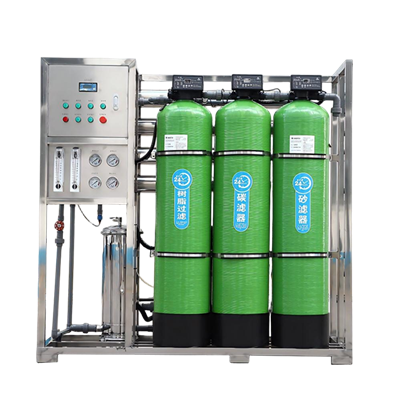
Don’t let shipping stress be the reason your new “other equipment” doesn’t get to you when you need it. Hit us up, and we’ll sort it out.
Other Sewage Treatment Equipment References:
- American Trucking Associations. (2022). LTL Freight Shipping Best Practices for Non-Standard Equipment.
- Parcel Forum International. (2023). Oversized Parcel Shipping: Carrier Options and Cost Comparisons.
- International Trade Administration. (2022). Cross-Border Shipping for Custom Industrial Equipment.
- National Institute for Occupational Safety and Health. (2021). Handling and Shipping of Laboratory Equipment: Safety Guidelines.
Shandong Lingke Environmental Technology Co., Ltd.
We’re well-known as one of the leading wastewater treatment manufacturers and suppliers in China, featured by quality products and good price. Please rest assured to buy durable wastewater treatment for sale here from our factory. Customized orders are welcome.
Address: 100 Meters South of the Intersection of County Road 042 and National Highway 309, Changle County, Weifang City, Shandong Province
E-mail: aileenlin@sdlingkegroup.com
WebSite: https://www.lkecotech.com/
